Are Paper Straws Better for the Environment?
Plastic pollution has become a global crisis, and many are looking for alternatives to reduce their ecological footprint. Enter the paper straw—a switch many believe to be the eco-friendly answer to single-use plastic. However, while paper straws seem like the environmentally superior option, their actual impact involves several complexities. Are we trading one problem for another? Let’s take a closer look.
The Environmental Costs of Paper Straw Production
The production of paper straws requires significant energy and natural resources. Just because they're biodegradable doesn't automatically make them a sustainable choice.
Energy and Resource Consumption
To produce paper straws, manufacturers rely heavily on resources like water and electricity. The energy used in creating paper straws often outweighs that of plastic straws. In fact, some studies show that greenhouse gas emissions during the lifecycle of paper straws can rival or even exceed those of their plastic counterparts. You can explore this on the BBC Future for detailed insights.
Deforestation Concerns
Unlike plastic straws, paper straws originate from trees. Widespread deforestation to meet the growing demand for paper packaging and products, including straws, leads to habitat loss and a decrease in trees’ ability to absorb carbon dioxide. As noted in this discussion on Reddit, the destruction of forests for paper straws adds another layer of environmental cost.
Biodegradability and Waste Issues
Many people assume paper straws are harmless when discarded since they're biodegradable. But is this true under real-world conditions?
Decomposition of Paper Straws
Biodegradability depends on the environment. Modern landfills are designed to limit decomposition, meaning even paper products might not break down as quickly as you'd expect. Still, paper straws decompose far more quickly than plastic straws, which take hundreds of years. According to research, paper straws can degrade within 120 days in composting conditions, as outlined by Phys.org.
Challenges with Contamination
A used paper straw covered in food residue or soda often doesn't break down efficiently. Contaminated paper waste frequently ends up in general waste streams instead of being recycled or composted. This slows the decomposition process and diminishes environmental returns.
Health Risks from Paper Straws
While designed for single-use purposes, paper straws have raised questions about potential health risks due to chemicals used in their production.
Presence of PFAS in Paper Straws
Many paper straws contain per- and polyfluoroalkyl substances (PFAS), often called "forever chemicals." These chemicals, which make paper water-resistant, have been linked to numerous health concerns. A study reported on USA Today revealed that PFAS could persist in the environment for decades, entering water supplies and potentially impacting wildlife and humans.
Comparative Risks of Straws
While plastic straws pose environmental challenges, their health risks, such as chemical leaching, remain less discussed. On the other hand, paper straws bring PFAS contamination into the spotlight, contributing to both health hazards and environmental toxicity.
Alternatives to Paper Straws
With neither plastic nor paper straws proving to be silver bullets, what options do we have to reduce dependence on single-use products?
Reusable Straws
Reusable straws made from materials like stainless steel, bamboo, or silicone are a popular solution. They last much longer, require fewer resources in the long run, and eliminate single-use waste. A great example of reusable straws can be seen in this image:
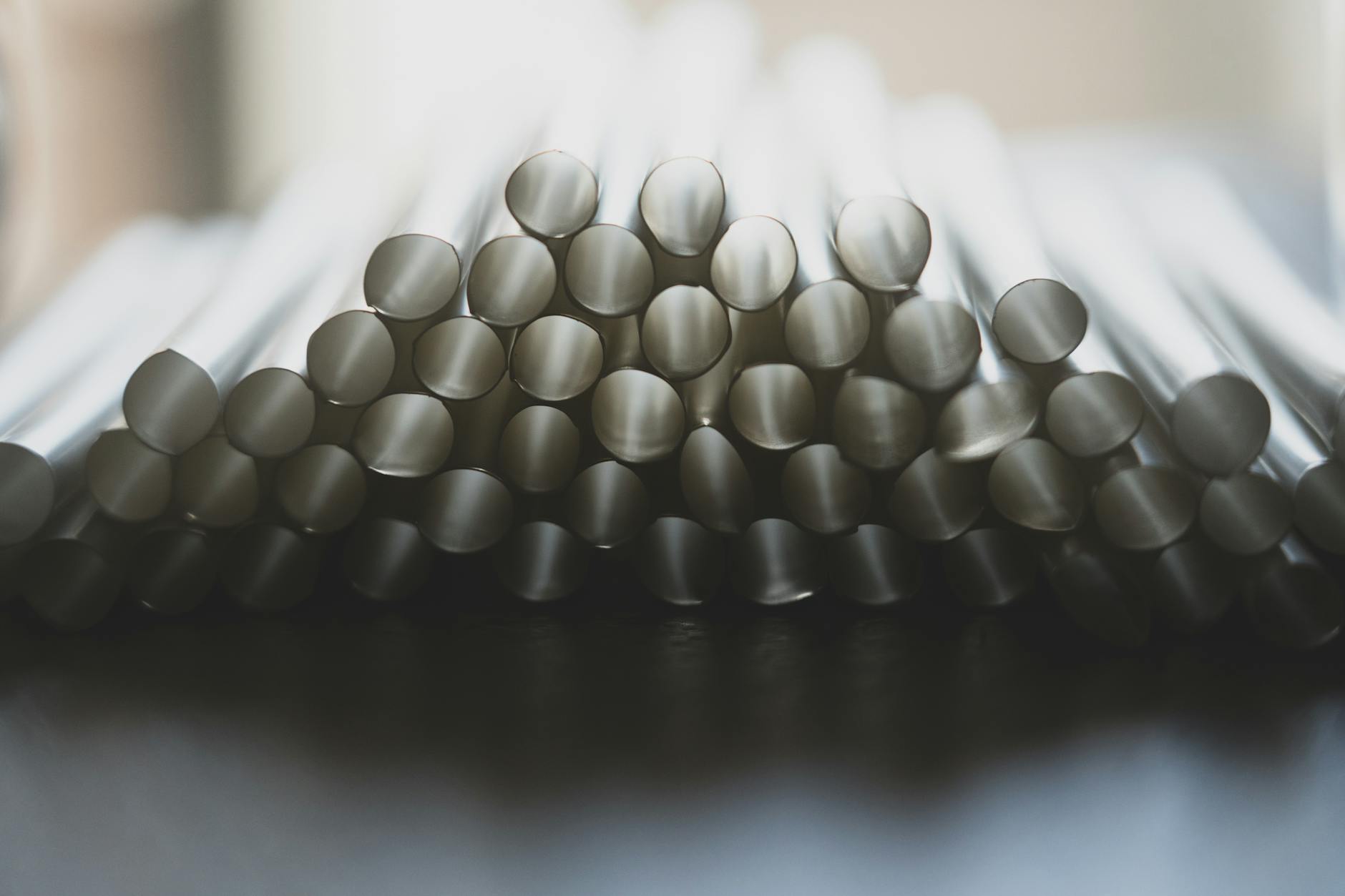
Photo by Castorly Stock
Encouraging Straw-Free Options
The simplest alternative is avoiding straws altogether. Encouraging establishments and individuals to adopt straw-free practices, when possible, can dramatically reduce waste. Restaurants and cafes have started offering straws only upon request—a step in the right direction.
Conclusion
The debate over paper straws highlights the complexities of sustainability. While these straws reduce plastic waste, their production and hidden health risks complicate their status as an eco-friendly solution. True sustainability lies not in replacing one single-use product with another, but in adopting alternatives like reusable straws or choosing to go straw-free. Next time you're handed a paper straw, you might want to ask: Is there a better option?
No comments:
Post a Comment